This short film tackles the subject of disability representation in sports and society as a whole. It comes across as a moving documentary, as it showcases the sport of Wheelchair Basketball and explores some of the obstacles life puts in front of a group of disabled people, how they manage to turn their lives around in a positive way, and ultimately how they fulfil their own goals or ambitions through the power of sport.
The film is only ten minutes in length, it was made by a student at the university of Hertfordshire, and it uses a combination of narration mixed with B-roll and interviews. This Able Man is a good introduction to the world of wheelchair basketball for people who have never seen the sport before, it highlights the physicality required to play such a dynamic, fast-paced, and in some cases brutal game.
I thought the way the film used the narrative of the London Titans game as a hook to ensure viewers stick around and finish it was genius. In addition, the film does a great job of framing the sport as an escape and a tool to support people compartmentalise life with a disability. I think the film accurately portrays how wheelchair basketball helps athletes come to grips with their disabilities and gain confidence.
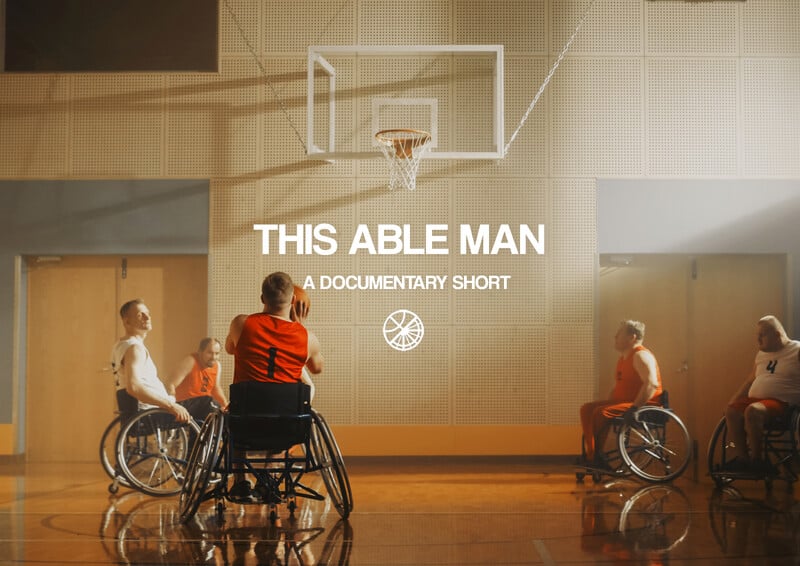
Image 1: Courtesy of filmfreeway.com
Disability representation leads to more visibility and recognition of the disabled community, it helps to break down stigmas, stereotypes, and misconceptions. Although, ironically, the film lacked diversity when it comes to female representation and ethnic minorities. This was a missed opportunity to expose the audience to different perspectives and promote the inclusivity of wheelchair basketball.
Furthermore, the way disabled people are portrayed in popular media can have a profound effect on how they are viewed by society at large. The film does not have actors playing people with disabilities, which is a huge bonus because viewers will get to listen to real, raw, and authentic accounts of what it’s like to live with a disability.
As someone who lives with a disability and plays wheelchair basketball, the stories of most of the contributors resonated with me and voiced some thoughts that I had in mind, but I was not sure how to articulate them. Acceptance and inclusion from society remain the two fundamental goals for people with disabilities, for that to happen, there needs to be a change in how society treats and perceives disabled people.
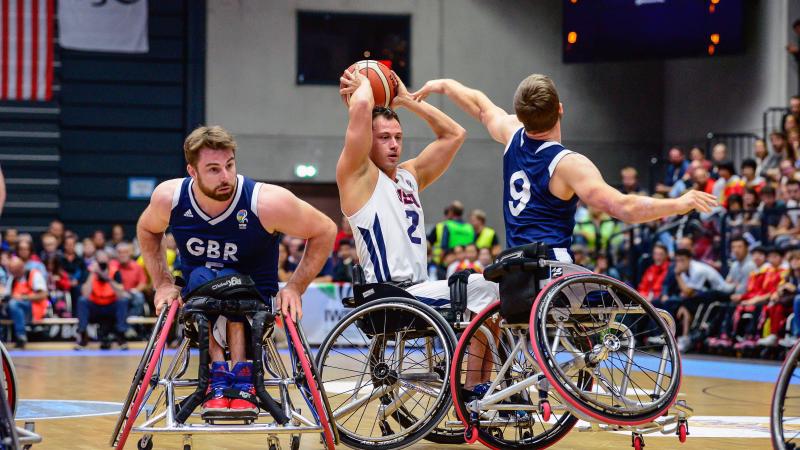
Image 2: Courtesy of Paralympics.org
The onus is on disabled individuals to play an active role in changing the cultural representation of disability. Courage is required to recognise that there are challenges that disabilities bring to the table, but also positive things in which pride can be taken.
This recognition can truly change the way non-disabled people make judgments about the lives of people with disabilities and challenge current representations of people with disabilities. Despite a few flaws, films like This Able Man should be celebrated for taking initiative and attempting to change the way in which disability is defined and perceived.
References:
Hopson, J. (2019). Disability as Culture. Multicultural Education, 27 (1), pp.22 – 24.
Pearson, D. et al. (2003). Sports Films: Social Dimensions Over Time, 1930 – 1995. Journal of Sport and Social Issues. 27 (2), pp.145 – 161.
 Passion Universe